meta data for this page
Total Launcher v4.0 Update Review
An important update has arrived for Total Launcher, marking the platform's transition to version 4. This update introduces an overhauled interface, plus new menu and layout structures, shapes, and graphical properties.
For official developer insights, refer to the Official Total Launcher v4 Blog Post. The post outlines a detailed breakdown of these new features and options.
Overhauled User Interface and Search Navigation
- Internal UI Redesign: Provides a cleaner look across launcher options and layout setup screens, matching modern Android design aesthetics.
| Version 3 UI | Version 4 UI |
|---|---|
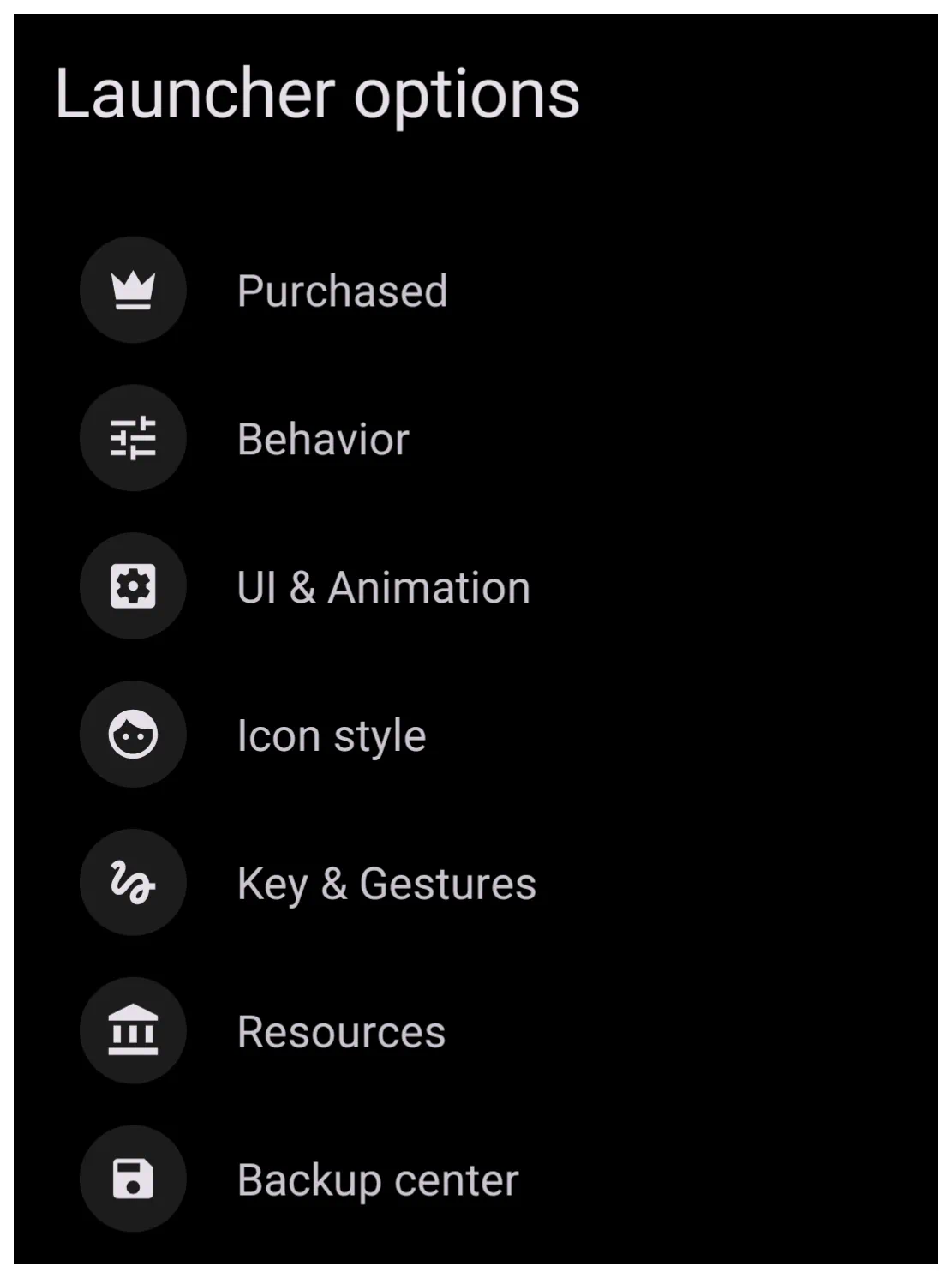 | 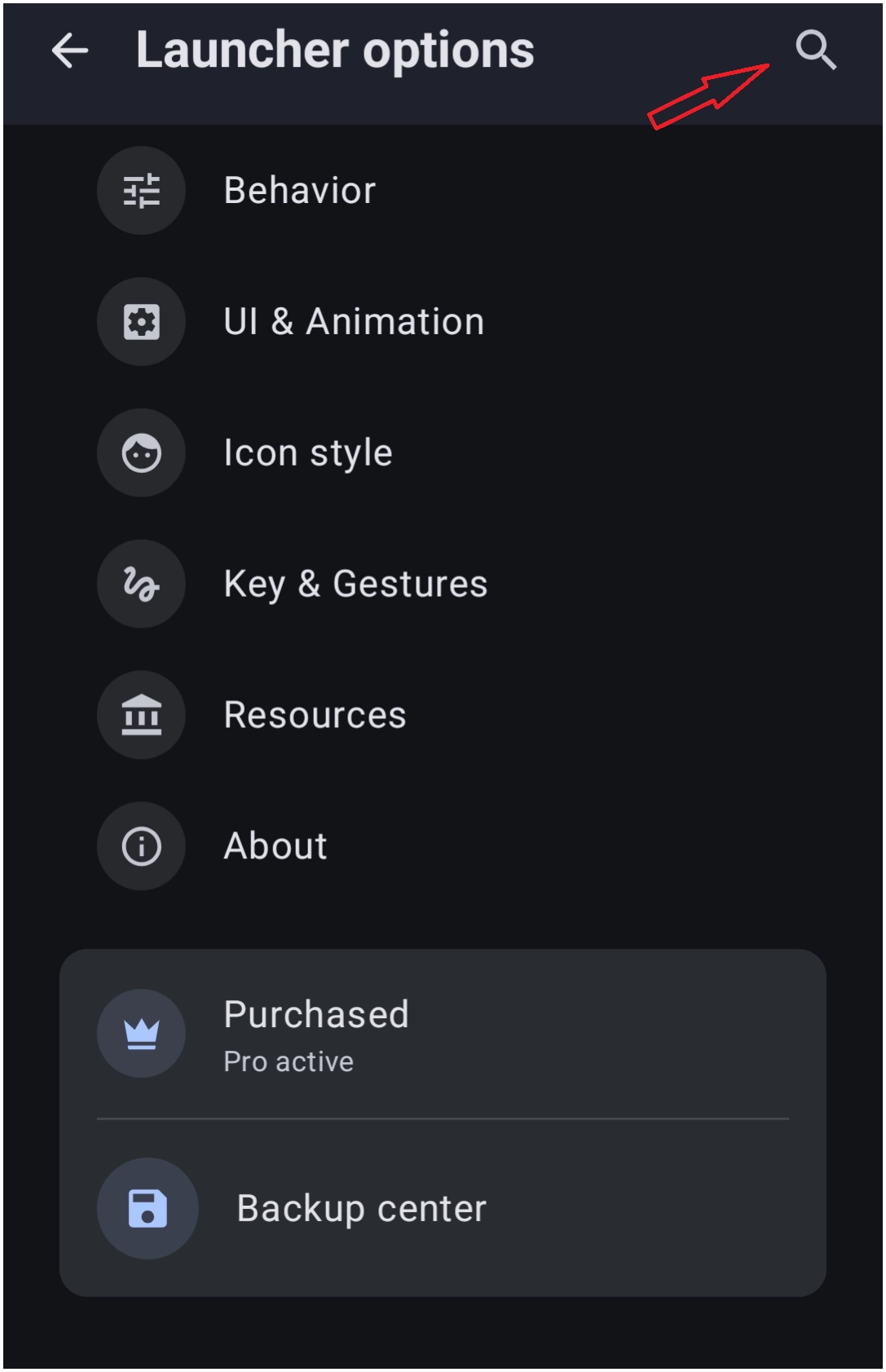 |
- Launcher Options Search Bar: Implements a direct text filter bar at the top of the primary Launcher options menu to assist with Launcher settings (see above).
- Avoids manual digging through multi-nested menus.
- Entering an entry jumps directly to the intended configuration setting.
Creative Layout Configurations and Geometric Shapes
• New layout and advanced shape customizations
| Fidget Spinner Circle Layout: | Image |
|---|---|
• Introduces a dynamic Fidget spinner mechanic to the standard Circle layout. This can be assigned to rotate the layout objects for active interactions. |  |
| Squircle Shape | Image |
|---|---|
| • Adds a native Squircle option into object shape selectors, bridging the gap between oval, rectangle, and rounded rectangle selections. • A true Squircle will have rounded sides (to a degree). The curvature option ranges from 2 to 10, tending toward a rounded rectangle. | 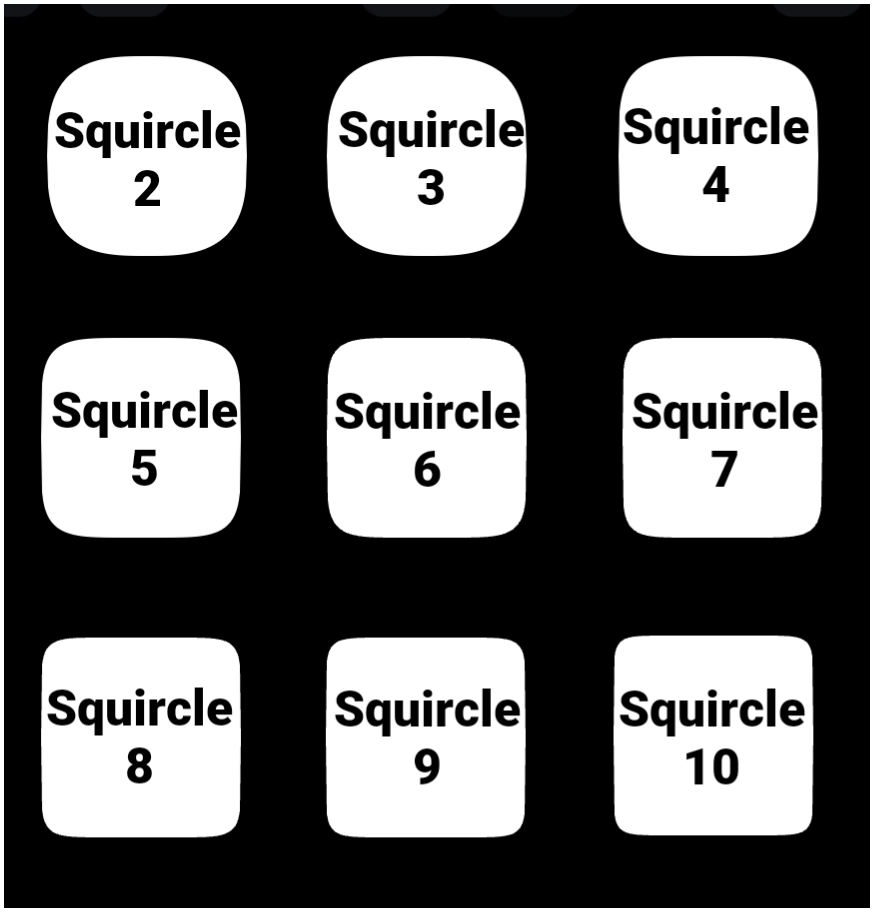 |
| Polygon Shape | Image |
|---|---|
| • Introduces custom multi-sided Polygon geometry for tailored masking or background plates. • As polygon sides increase, the shape trends to an oval. | 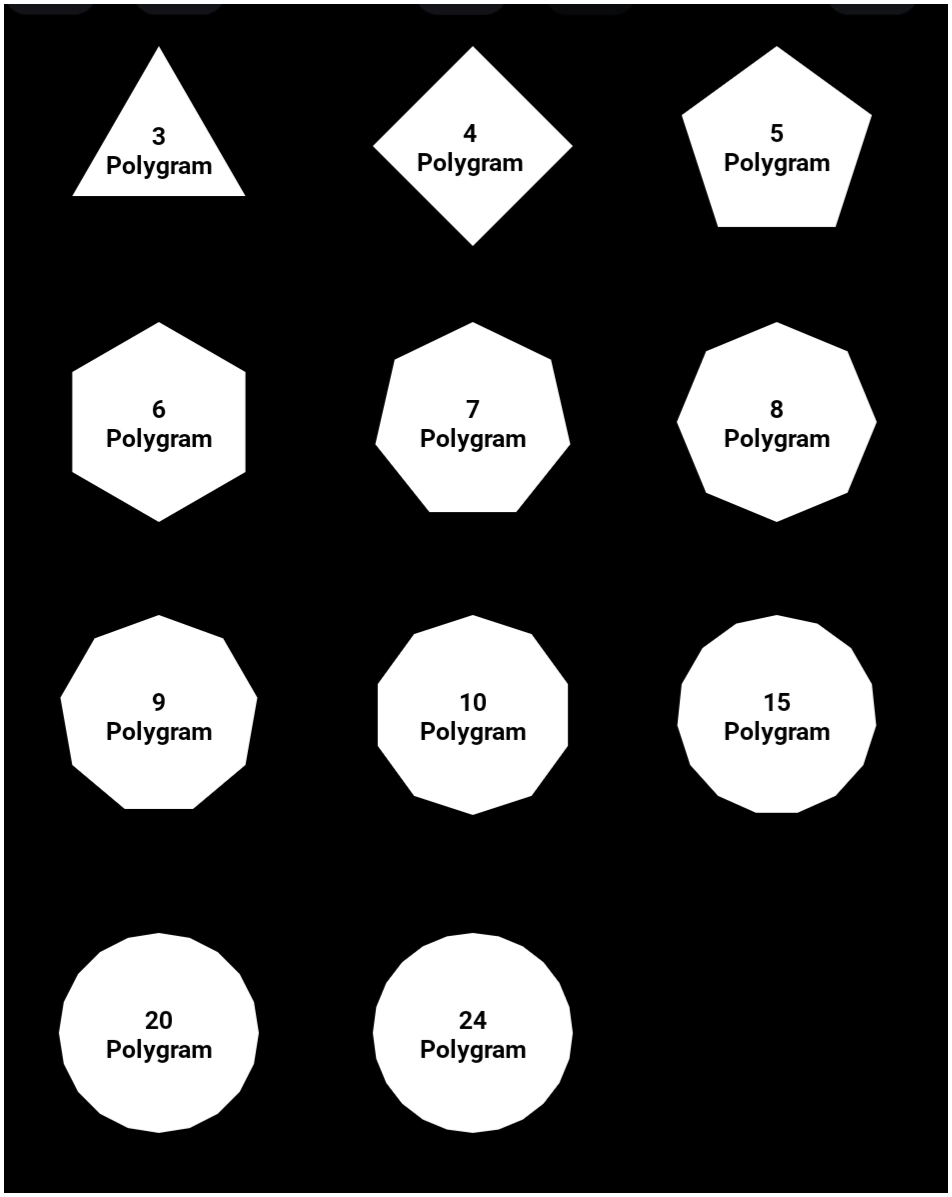 |
| Round Rectange Distinct Corner Control | Image |
|---|---|
| • Upgrades the Round Rectangle object mechanics with individual control parameters provided for each of the four distinct corners, allowing asymmetric designs by assigning independent corner radius pixel values. • The 'curvature' ranges from 0 to 285. • In this example, the corners (starting in upper left) are: (1) 16, 28, 36, 44 (2) 28, 56, 112, 224 (3) 0, 285, 0, 285 | 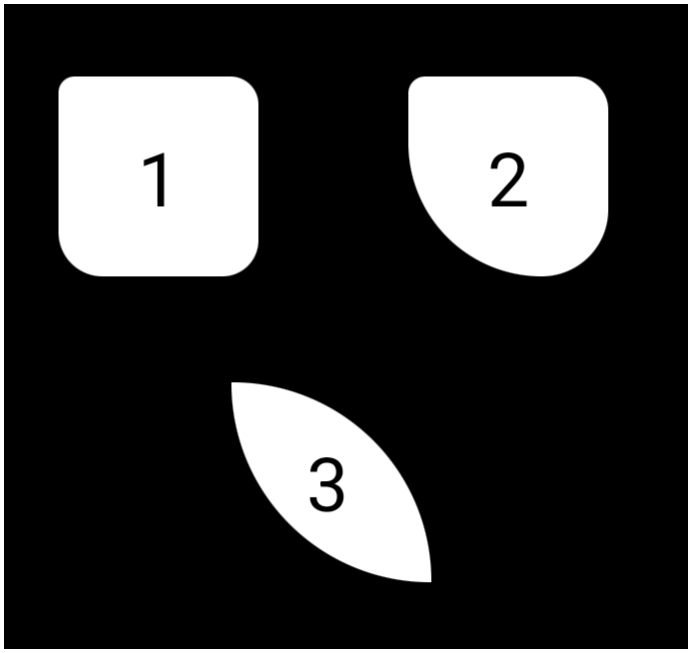 |
Enhanced Graphic Objects and System-Level Customization
• Advanced options regarding graphic text masking and object backgrounds
| Bitmap Shader for Text: | Image |
|---|---|
| • Text graphic components now support a “Bitmap shader” property instead of a solid color. • Select the text color, then pick color, dynamic color, shape, or image as the external texture map for text characters. | 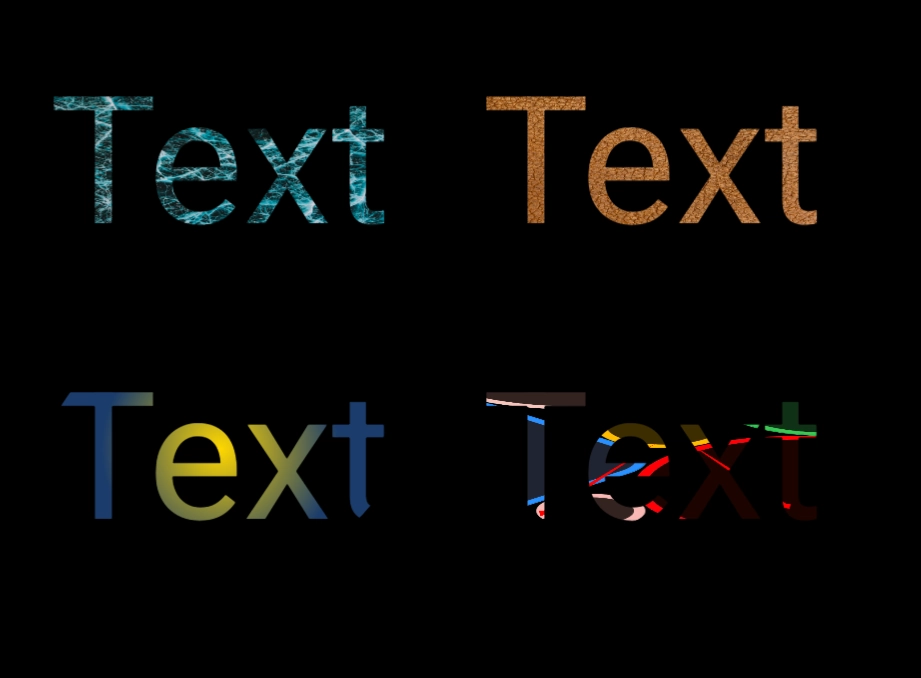 |
| System Bar Background Fills: | Image |
|---|---|
| • Status bars and navigation bars can now be styled with specialized images and custom shape structures. • This eliminates reliance on basic native system tinting and fully integrates the device status and navigation zones into the overall theme background. • The setting is found in Launcher options > UI & Animations. To visualize this, do not activate the Hide feature for the status bar or the navigation bar.• The image to the right is a very basic example of the top status bar and the bottom navigation bar using a gradient shape. | 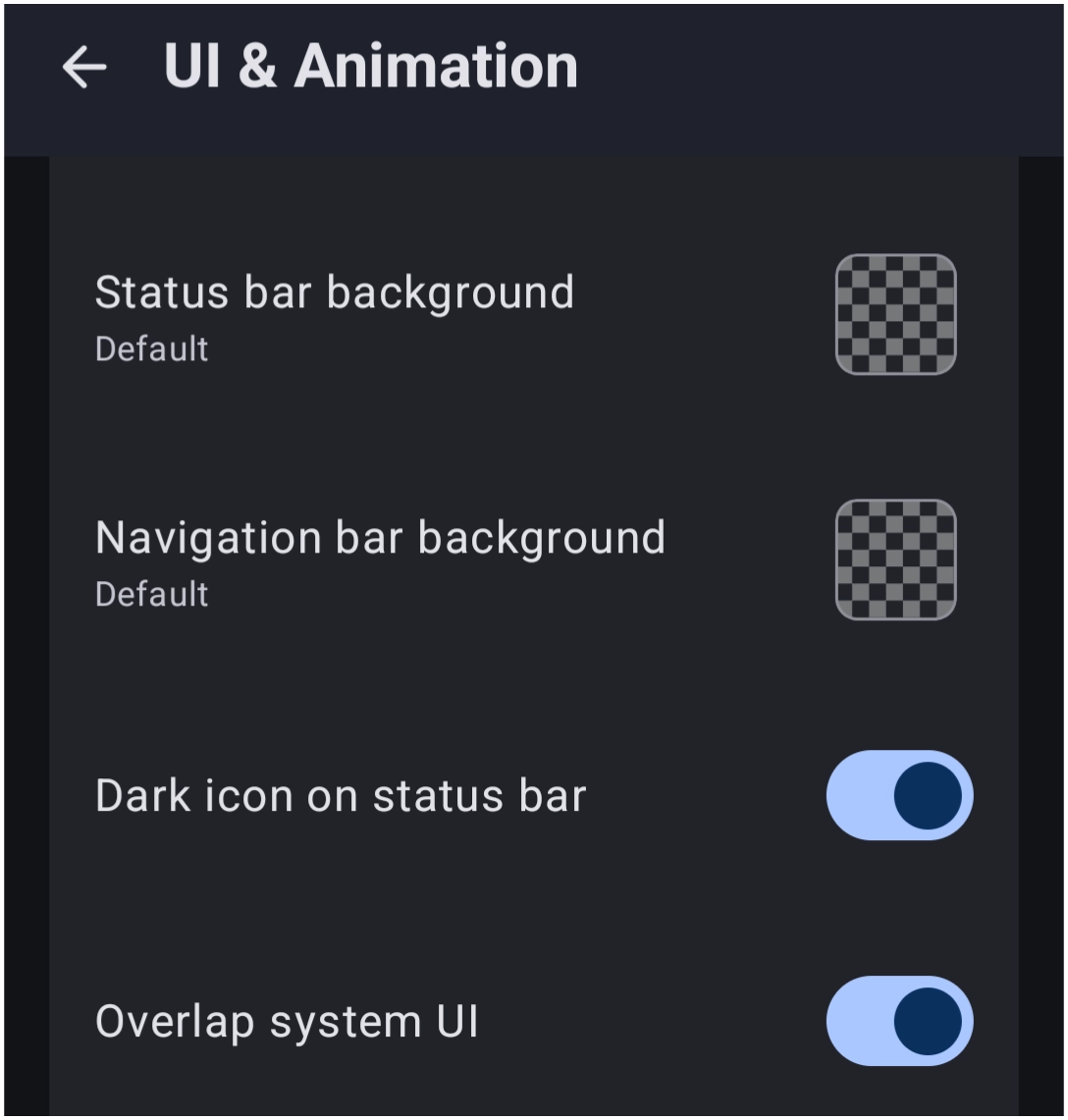  |
Removed
• Reset
The Launcher no longer offers the Reset dialog to restore the launcher layout and settings to their initial default state. ChYK has not made a statement, but user comments on social media express hope that it was a programming omission and will return.
• CPU usage
ChYK removed the Dynamic Image “CPU usage” without explanation. However, uiTLM research found that Android platform restrictions prevent third-party launchers from accessing system-wide CPU metrics.
Historically, launchers calculated overall CPU usage by reading the Linux pseudo-filesystem at /proc/stat. Starting with Android 8.0 (Oreo), Google introduced strict SELinux policies blocking unprivileged apps from reading this file to mitigate side-channel security and privacy vulnerabilities. Because modern Android versions offer no public API alternative for non-system apps, Total Launcher can no longer query live CPU utilization directly.
Workaround: Users requiring home screen CPU monitoring must rely on external automation tools (such as Tasker or MacroDroid via ADB or Shizuku) to query CPU metrics via elevated shell commands and broadcast the resulting values into a custom Total Launcher variable. See (How To: Display Real-Time CPU Usage In Total Launcher) to create this.